Mariana Engracia Álvarez de Toledo Portugal, Marquise of los Vélez
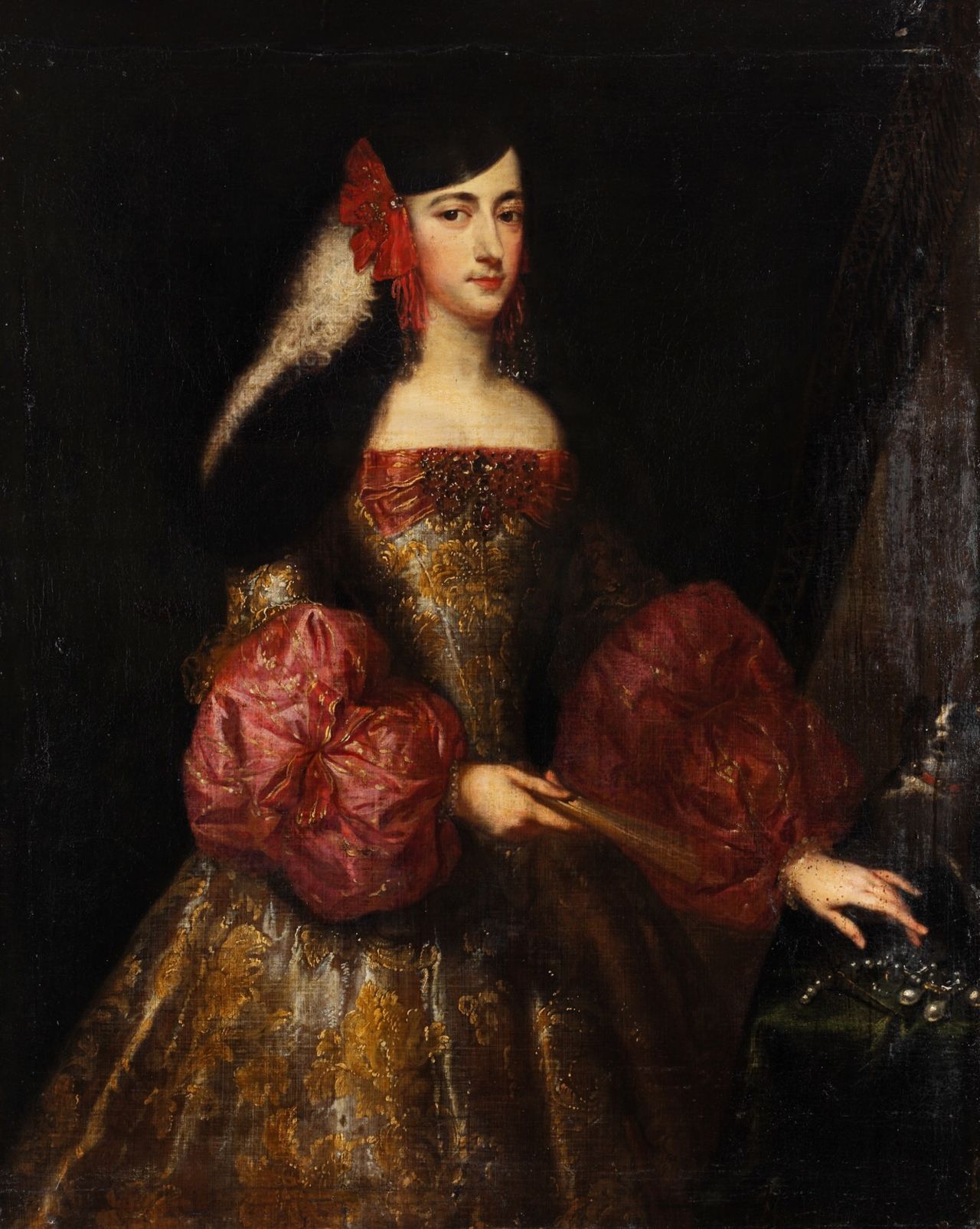
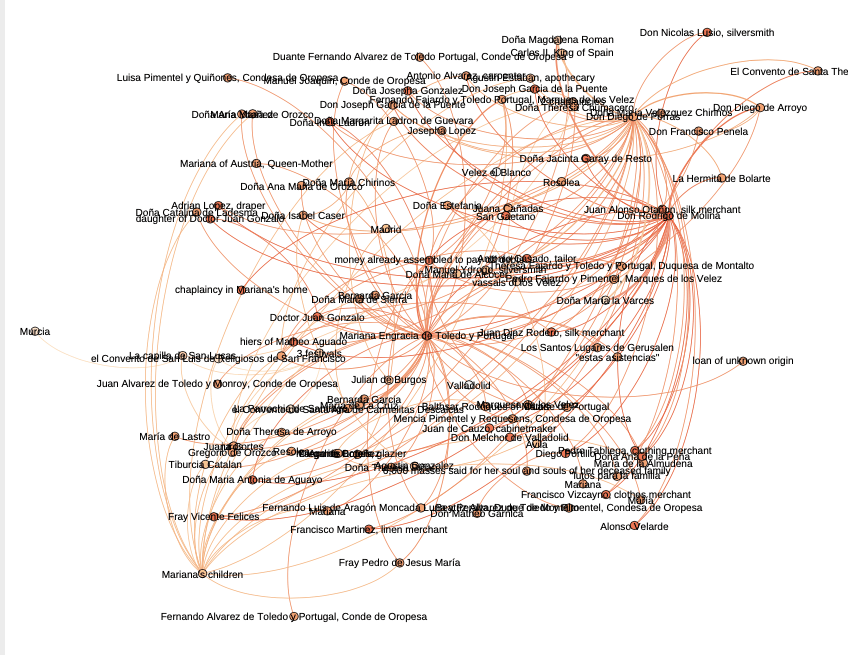
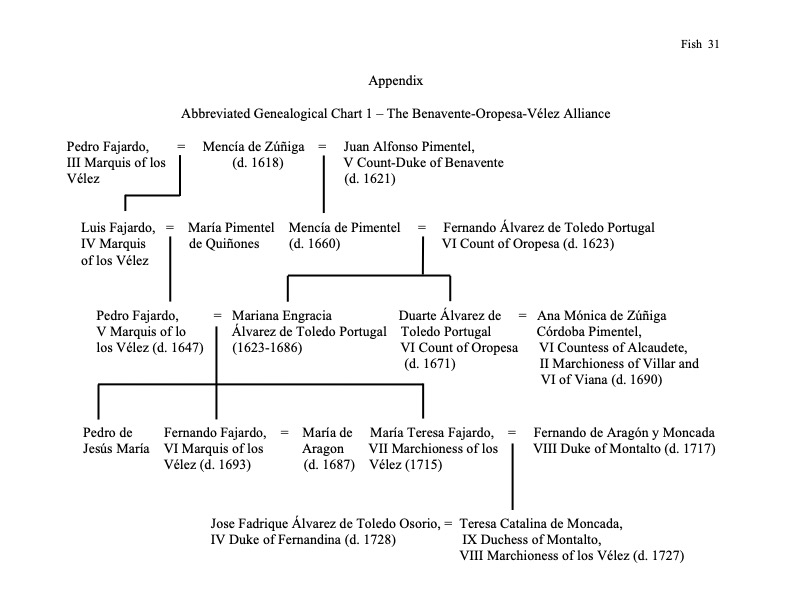
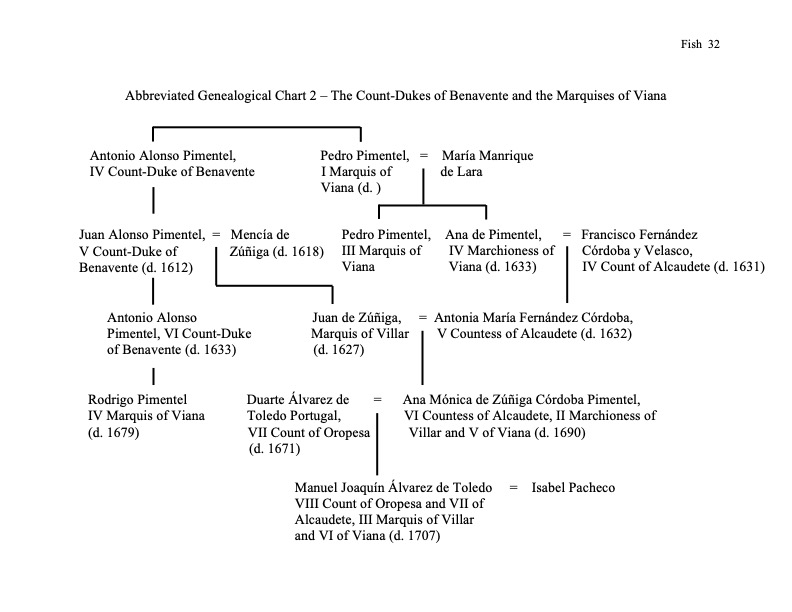
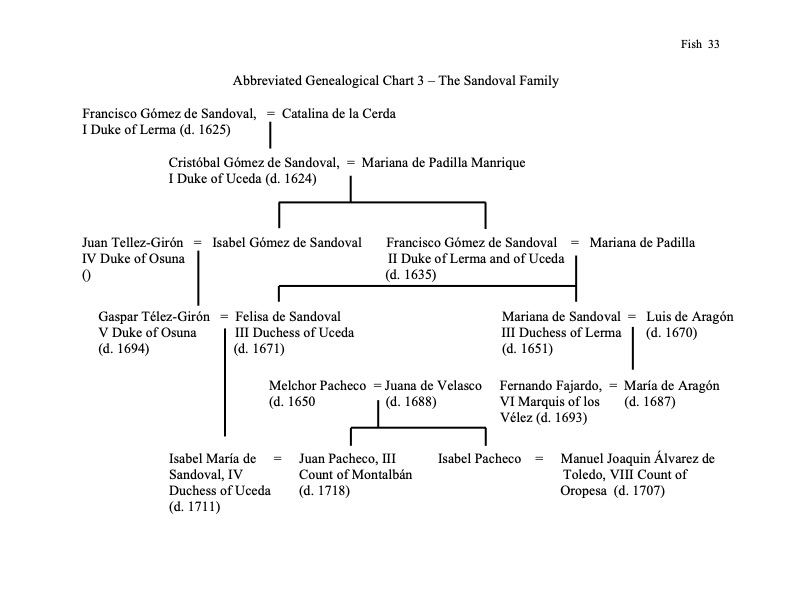
This project examines the social network performed through the selection and dispensation of assets in the 1685 testament of Mariana Engracia Álvarez de Toledo Portugal, Marquise of los Vélez. Testaments were powerful financial, legal, and religious documents in early modern Spain. Individuals utilized testaments to dispose of their worldly goods on the occassion of their death, ensuring the proper inheritance of valuable assets to individuals within their social and familial networks. As a woman at the pinnacle of Spanish society and courtly politics, Mariana Engracia’s testament underscores the value of familial and political connections alongside a distinctive feminine power circle at the heart of the Fajardo and Álvarez de Toledo families in the late seventeenth century. Analysis of the social network revealed through the testamentary bequests reveal the centrality of her daughter María Teresa Fajardo, Duchess of Montalto (see portrait by Martínez de Mazo), her sister-in-law Ana Mónica de Zúñiga Córdoba, Countess of Oropesa, her daughter-in-law María de Aragón, Marquise of los Vélez, and her niece Isabel Pacheco. The material goods these four women received emphasize the valuable assets each brought to the family lineage: their aristocratic motherhood, their social capital, and their dedication to the family.
Presented “Relics, Matriarchy, and Power: The Testament of Mariana Engracia Álvarez de Toledo Portugal (1624-1686),” Newberry Multidisciplinary Graduate Conference 2021, The Newberry Library, virtual, February 2021.
 caroline-fish.com